









Walking into the gym for the first time can be daunting with everyone focused on their fitness goals and taking it all very seriously. It’s easy to feel intimidated, especially with all the new equipment you’ll have to deal with during your workouts. Each of them has different settings and adjustments that can be made to cater to each person using it, such as the seat height or the amount of weight that needs lifting. Knowing how to do this correctly can make or break your gym experience.
The last thing you’ll want is for your time at the gym to come to a halt due to an injury you’ve suffered when lifting weights. Your safety should always be the number one priority, and to prevent any injury, you need to set up every piece of equipment with complete care.
This guide will help you to improve your gym journey, giving you insight into how to correctly set up equipment for your requirements. We hope to make it all a little easier for you, without feeling any pressure, so continue reading to learn more.
How to Set Up Gym Equipment Correctly
Find Your Alignment
Most gym machines move on a fixed axis, so you need to align with this to get the most effective routine and prevent any joint strain. You should keep an eye out for the brightly-coloured pivot point on the machine and ensure that your joint is directly in line with it. For example, if you’re using a shoulder press machine, you’ll want your shoulder to be aligned for maximum safety. When you’re unaligned, the machine will force your joints to move unnaturally, which can put pressure on your ligaments.
Adjust Seat Height
It’s important that you don’t just jump onto a machine and start lifting or pushing weights, as it might not be set to the correct height. Adjusting your seat height is always recommended since it dictates your entire range of motion. It should be adjusted so the handles start at mid-chest level. If the handles are at chin level, you’re putting your rotator cuffs at high risk. You should also tweak the height of the backrest so your knees hang just off the edge of the seat. If the seat is too long, you’ll be forced to arch your back, losing core stability.
Safe Pinning
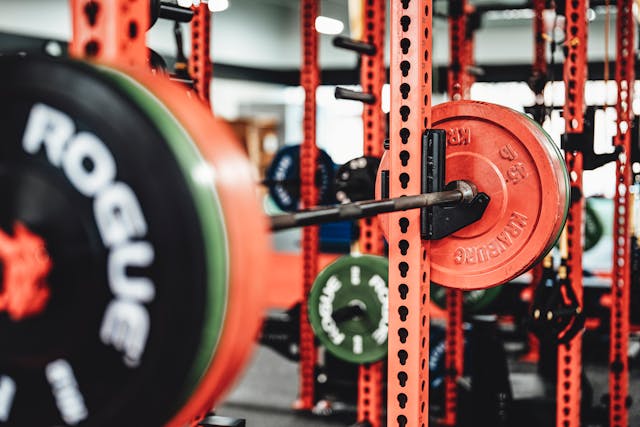
A common mistake of new gym goers is that they fail to ensure that the weight is secured properly. It’s crucial that you ensure that the selector pin is pushed all the way in, as a halfway-inserted pin can slip mid-set and cause the weight stack to crash. This can potentially jolt your muscles and lead to injury. If you’re using a barbell, always use clips to keep the weight plates stable. Even a slight tilt can cause plates to slide off one side, creating a dangerous seesaw effect that can throw out your back or injure bystanders.
Test the Equipment
Before you set the machine to your goal weight, perform a few repetitions with the lowest possible weight to ensure that everything feels right with it. You’ll want the range of motion to be smooth and you can do a full range of motion without pain. It also gives you a chance to see if the seat is stable or not. If something doesn’t feel right, stop. Re-adjust the seat or pads by one notch and try the dry run again.
What Can Happen If You Set It Up Incorrectly?
When you are setting up gym equipment, you need to ensure that there’s nothing that can go wrong and injure you. When it’s done incorrectly, it can lead to catastrophic physical consequences that can affect the rest of your life. You could experience torn ligaments, herniated discs or shattered bones from equipment failures. In extreme cases, there have even been amputations that have had to happen after a gym-related injury. This leads to loss of limb compensation being sought.
Neglecting a simple seat adjustment or failing to secure a safety pin doesn’t just ruin a workout, but it can turn a routine trip to the gym into a life-changing tragedy.
Final Thoughts
Most modern machines now feature a QR code printed directly on the frame, which allows you to instantly access a 30-second tutorial on that specific model’s adjustments and proper form. Taking a moment to scan these codes ensures that you are moving with precision while avoiding any mistakes that can lead to injury. If these aren’t on the machines at your gym, you should speak to a member of staff so they can look into this. Even if you can’t get access to these videos, you can search online about how to use gym equipment safely for that specific machine.