
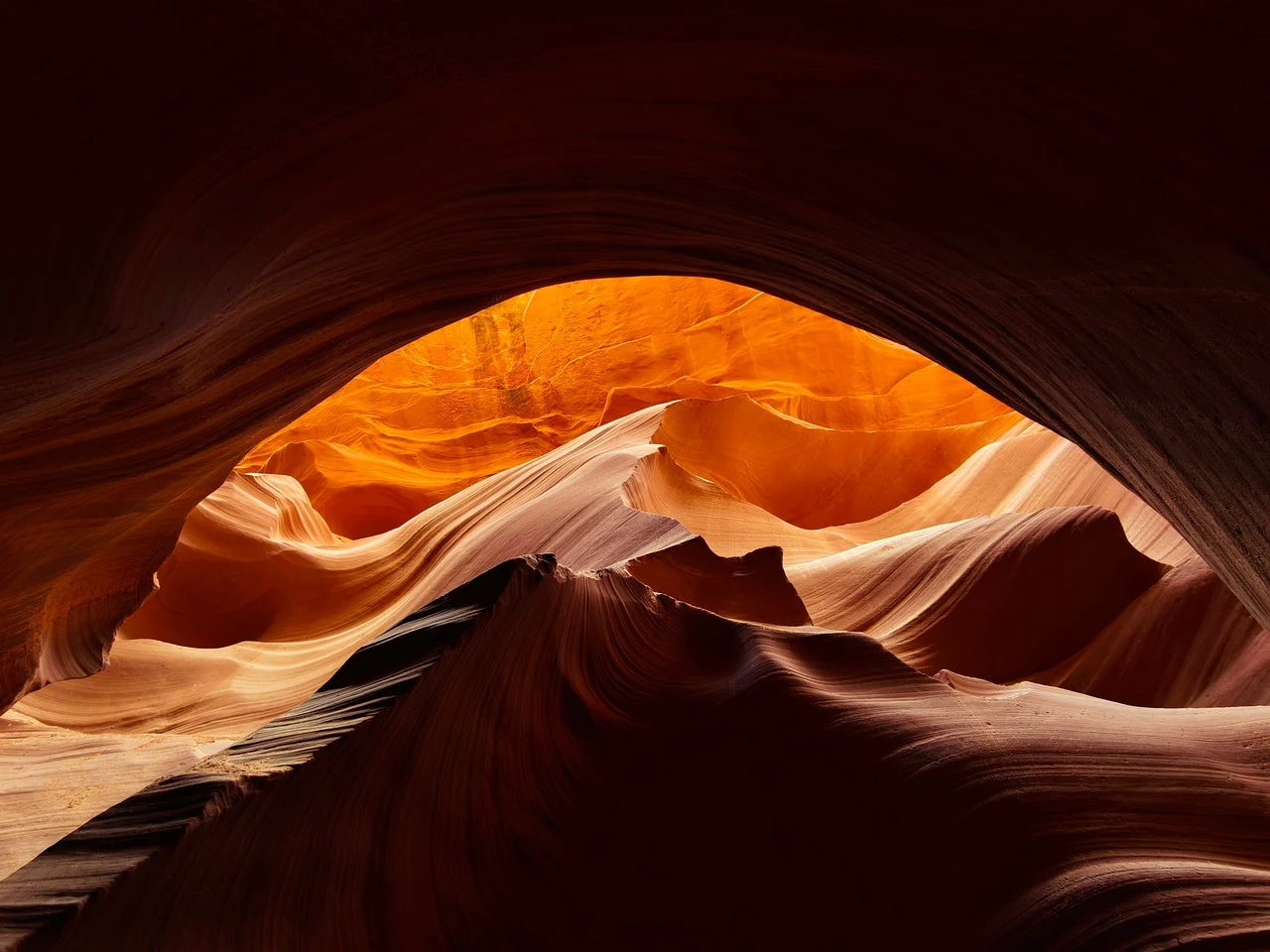
6 Travel Photography Tips
Whilst travelling, it is a great opportunity to photograph the memories you never want to forget. But knowing how to take good quality photographs makes the difference, these photos can then be used for house decor as well as for memories. Lucky for you, you don’t need expensive equipment to take stunning photos. All you need to do is take on board a few of the tips that we will go through in this guide, and in no time, your photography will look professional.
1. Lighting
Some of the best natural lighting is the period of what is known as “golden hour”, which is the short window just after sunrise and just before sunset. During this period, the lighting is warmer and provides a natural glow, as opposed to harsh lighting from the sun throughout the day. Some of the best shots of beautiful beaches I have seen are in golden hour. Incorporating this lighting in your photography sessions might mean you have to get up quite early or stay out a little later however, the difference it makes to your photos is completely worth it, turning an average photo into something quite memorable.
2. Rule of Thirds & More
One of the easiest photography tips to implement is the rule of thirds, as the name suggests, this is where you imagine your frame is split into thirds and place your subject along those lines rather than the centre. This instantly makes the photography visually more interesting. Another simple adjustment is the use of leading lines, which is where you include lines, e.g. a road, to guide the viewer’s eye toward the main subject of the photo. For example, if you’re photographing a landmark, instead of taking the photo from right in front of the landmark, step further back and include the pathway that leads to the landmark. The viewer will then naturally follow the line straight to your subject.
3. Keep the Shot Clean
A common mistake with travel photography is trying to capture everything in one shot, this tends to lead to cluttered photos without a real focus. To prevent this, aim to position the shot where the object is the clear focus without lots in the background which can distract for the object. This is usually quite easy to do by taking the photo out of peak hours, so there are not lots of people in the shot, or moving slightly to change the angle usually works to take out background clutter too. The background makes a huge difference in helping your subject stand out, less is definitely more when it comes to photography.
4. Experiment with Angles
Sometimes photography is very much down to trial and error, and a shot that you thought wouldn’t come out great can be one of your best shots and vice versa. Whilst you’re taking your travel photos, try to change the perspective of shots, so they’re not all at eye level. For example, you can try crouching down to make the subject take up more of the frame. Experimenting with different angles lets you create images that are unique to you.
5. Basic Settings
Being aware of the basic settings, whether you’re using a phone or a camera, is a really important contributor to the outcome of a photo. To control how bright or dark your image is you can adjust the exposure levels, and by simply tapping the screen, the focus will adjust onto your subject. There is also a feature on most phones called HDR, which can be really good when the lighting isn’t great. Take a few sample shots first because sometimes the phone is good enough to be able to photograph in that lighting situation, and HDR can make it blurry.
If you’re using a camera there are a couple of settings in particular you should be aware of. Firstly, aperture controls how much light reaches the image sensor. The easiest way to explain this is that it controls how much focus there is on the subject, whether you want the background completely blurred or just more focus. Secondly, the shutter speed, faster shutter speeds are used for moving subjects to appear sharp whereas slow shutter speeds are used to be creative, for example, making flowing water look silky.
6. Print and Preserve Your Best Work
Now that you have taken some incredible photographs by taking on all the above tips, those memories can now be turned into decor where you can relive the memories daily. There are lots of different ways you can do this, but a personal favourite is turning travel photos into canvas prints and decorating the wall adjacent to the staircase with lots of travel memories.
Conclusion
As I previously mentioned, great travel photography doesn’t have to involve buying the latest camera, you can get really good shots on just a phone. The main points to consider are lighting, composition, clean shot and settings. Making a few tweaks and being patient with your shot is worth it to get the perfect travel images that you can cherish forever. .


