
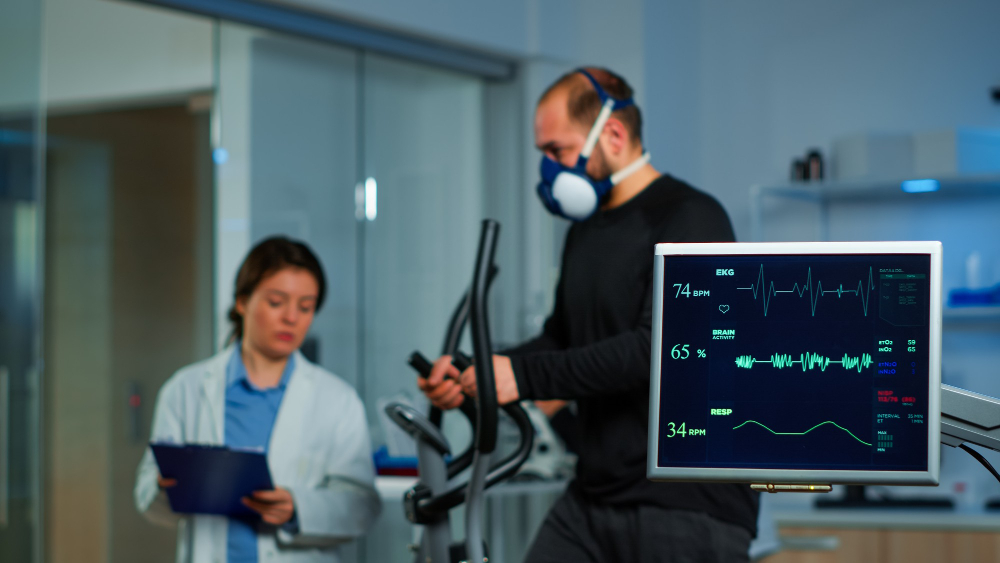
Cardio, VO₂, and Hormones: Balancing Endurance and T for Best Results
You do the “right” things. You try to eat clean. You even push yourself on the bike or treadmill. But you still feel wiped out, puffy, and not like yourself. Then your doctor says your labs are “normal” and offers another prescription. You don’t want more meds. You want answers and a plan that works for real life.
Here’s the truth we see every day at Med Matrix: when your hormones are off, cardio alone won’t fix the fatigue. And when your cardio is off, hormones can’t do their best work. The sweet spot is balancing your endurance work with your hormones, including Testosterone Replacement Therapy when it’s right for you.
What VO₂ really means for your energy
VO₂ is a simple way to say how well your body uses oxygen during exercise. Higher VO₂ usually means better stamina, easier fat loss, and a heart that ages well. You feel the difference in daily life too. Climbing stairs without gasping. Recovering faster after a busy day.
But here’s the catch. If you’re running on empty hormones, especially low T or a struggling thyroid, it can feel like you are working twice as hard for half the results. Patients tell us this all the time. They push harder, then crash by mid afternoon, and start leaning on caffeine to get through the day.
Testosterone, cardio, and your results
Testosterone is about more than libido. It supports energy, motivation, muscle repair, and mental focus. That mix matters for VO₂ and fat loss. When testosterone is low, your body has a harder time holding muscle and bouncing back between workouts. Cardio sessions start to feel like they take more than they give.
Some people try weight loss programs or quick fixes first. They drop weight but lose muscle. Without muscle, VO₂ and metabolism slide and injuries show up. We hear this story often, especially when hormones were never checked or were only checked at a surface level.
Where Testosterone Replacement Therapy fits: TRT can restore the “build and recover” signal. Cardio then teaches your heart and lungs to use that new energy well. The two together often feel like fuel plus a tuned engine.
Patient pattern we hear: “I just want to feel like myself again.” After deeper testing and the right plan, people report steady energy, better sleep, and faster recovery that shows up in day to day life, not just the gym.
Why “normal” labs aren’t always your normal
If you’ve been told “everything looks normal,” you’re not alone. Many offices test the bare minimum and use very wide ranges. You leave with no answers, a new pill, and a follow up in six months. That is not the same as aiming for optimal.
At Med Matrix, we run a deeper hormone and thyroid panel, plus inflammation, blood sugar, and a body composition scan. We connect the dots between how you feel and what your body is doing. Then we build a clear plan around your goals. Patients say this alone feels different because someone finally listened and looked at the whole picture.
Functional medicine vs conventional medicine
Conventional model
- Treats when you are “sick enough”
- Focuses on billing codes and broad lab ranges
- Short visits and quick prescriptions
- Advice to “come back later if it gets worse”
Functional medicine
- Aims for optimal, not average
- Deeper testing for hormones, thyroid, and heart health
- One hour visits with a provider who prepares in advance
- A plan that blends natural tools and modern medicine, including Testosterone Replacement Therapy when your data supports it
Patients also tell us they finally feel heard and part of the process, with clear explanations and follow up. That is the point.
Cardio and hormones: how to find the sweet spot
Too little cardio and your VO₂ stalls. Too much, with poor recovery, and cortisol climbs, sleep tanks, and testosterone can dip. Here’s a simple structure that works for most busy adults who want results without wrecking their hormones.
Step 1: Set your weekly rhythm
- 2 strength days to protect and build muscle
- 2 cardio days for heart and lungs
- 1 optional easy day like a long walk or gentle bike
- 2 true rest days with light movement and good sleep
Patients who see body comp and energy move in the right direction tend to keep showing up. Data helps too, so we start with a body scan and track changes in muscle and fat, not just the scale.
Step 2: Use the right cardio zones
- Zone 2: easy, nose-breathing pace for 30 to 40 minutes. This builds your aerobic base and supports fat use without smashing recovery.
- Short intervals: 6 to 10 rounds of 60 seconds a bit hard, 90 seconds easy. Save these for days you slept well.
Step 3: Keep strength work simple
Lower body push and hinge, upper push and pull, plus carries and planks. Aim for 6 to 10 solid reps, leaving 1 to 2 in the tank. Strength protects joints, steadies blood sugar, and helps Testosterone Replacement Therapy pay off in real muscle.
What to do if cardio makes you more tired
If cardio leaves you wired at night or flat the next day, you might be overreaching or your hormones need support. Red flags we hear:
- Afternoon crashes that push you to grab caffeine
- Soreness that lasts 3 to 4 days
- Weight drops but you feel weaker
- Mood dips and poor sleep after “good” workouts
What helps:
- Pull intervals for 2 weeks and stick to Zone 2 only
- Lift twice per week, shorter sessions
- Eat enough protein and carbs around workouts
- Get a deeper lab look, not just total T or TSH
We often find the answer in the details. Many patients were only tested on total and free testosterone, or only TSH for thyroid. We look at free and bioavailable T, SHBG, estradiol, LH/FSH, DHEA, plus full thyroid markers so we can match your plan to your body.
Where Testosterone Replacement Therapy fits with cardio
TRT is not a magic wand. It is one tool that works best inside a real plan. Here’s how we combine it:
- Start with data. Full labs and a body scan set your baseline.
- Dial in dose and balance. For many, feeling great means the right T level along with healthy estradiol and thyroid support.
- Train on purpose. We place Zone 2 the day after strength, so you recover well.
- Recheck and adjust. Follow ups every 3 to 6 months confirm you are gaining muscle, recovering faster, and sleeping better.
Patients describe it as getting their “old self” back. Less anxiety, better sleep, clothes fitting again, and workouts that finally add up.
A 6-week cardio + hormone plan you can start now
Always check with your clinician, especially if you are on or considering Testosterone Replacement Therapy or thyroid support.
Weeks 1 to 2
- 2 strength days: full body, 6 to 8 exercises, 30 to 40 minutes
- 2 Zone 2 days: 25 to 30 minutes each
- 1 long walk: 45 to 60 minutes
- Protein at each meal, hydrate, and aim for 7 to 8 hours of sleep
Weeks 3 to 4
- Keep Zone 2 the same
- Add 1 short interval day: 6 rounds of 1 minute hard, 90 seconds easy
- Strength: add a little weight if form is clean
Weeks 5 to 6
- Zone 2 to 35 to 40 minutes
- Intervals to 8 to 10 rounds if you feel fresh
- Recheck how you feel. If sleep or mood slips, pull back on intervals first.
If you are already on a weight loss medication or did one recently, training is not optional. It is the difference between keeping weight off and regaining it, because muscle is what keeps your metabolism and VO₂ steady. We see the fallout when muscle is not protected.
Real talk: why our approach works for people like you
- You want someone to connect the dots and explain the plan in plain English.
- You are tired of being told “it’s normal” or “you’re getting older.”
- You want fewer meds, better energy, and to feel like yourself again.
That is exactly why we built our process. A full panel that goes beyond the basics. A provider who reviews your history and meets with you for a full hour. A plan that blends natural tools and modern medicine, including Testosterone Replacement Therapy when your data supports it. Patients say it feels personal, flexible, and finally aligned with their goals.
One patient said years of being pushed around the system left them tired and still on pills. After joining, they felt better energy and quality of life because someone looked deeper and gave real options.
Your next step
If you are done with “normal labs” and not-normal life, let’s get you a plan that matches the problem.
Book your Full Health Test to check hormones, thyroid, inflammation, and fitness markers. Get a body composition scan so we can protect muscle while we improve VO₂. Then we decide together if Testosterone Replacement Therapy makes sense, and we map your cardio to support it.
You get clear steps, regular follow ups, and a team that actually listens. Patients tell us that alone makes the difference.
Patient language and themes in this article reflect real Med Matrix calls and testimonials, including frustration with “normal” labs, short visits, quick prescriptions, and the desire to feel like yourself again.


