










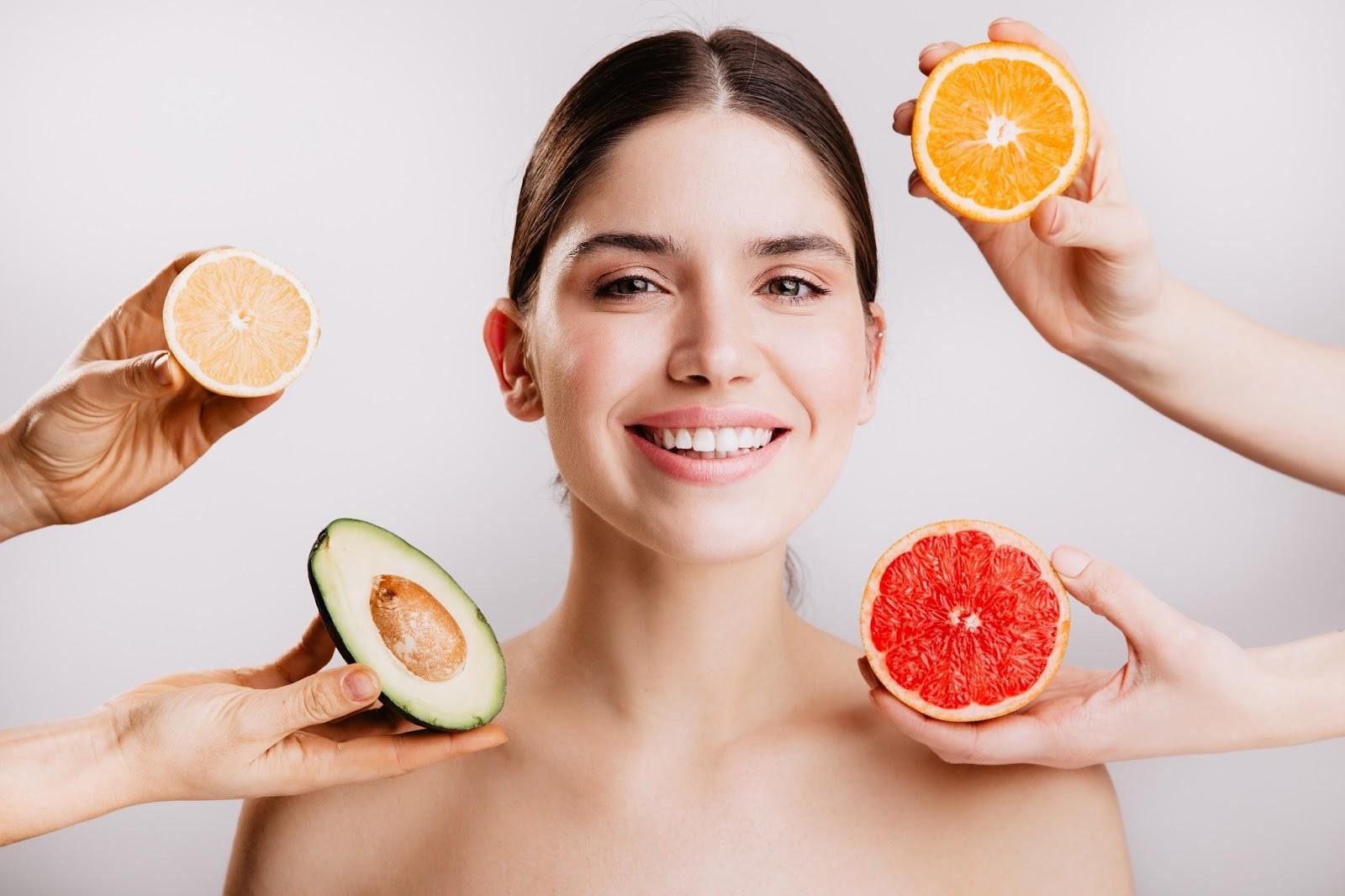
The condition of your skin reveals much about you. It captures experiences both good and bad, from stressful times to sunny vacations – as well as all the happy moments experienced along the way. However, unlike a book, your skin is constantly being changed by each decision you make regarding it. Therefore, while healthy skin is often perceived as being unattainable, and many believe that purchasing new products will solve all problems with their skin, ultimately it is a matter of understanding what types of care your skin requires during different age periods and then consistently providing it with the care required.
The Foundation: Universal Principles That Never Age
Before we get into specific recommendations based on age, it is important to note that there are some vital habits that everyone should adopt. The most important habit is sun protection. The damage caused by UV rays accumulates over time and can never be fully reversed. Therefore, an effective broad-spectrum sunscreen with at least SPF 30 should be added to your daily routine regardless of age or occupation. It should be applied before coming into contact with UV rays, regardless of the season or weather, as it is your skin’s first line of defense.
Hydration is another critical element to a successful skincare regimen; however, the way you hydrate your skin both internally and externally is just as important. In addition to drinking water, properly hydrating your skin externally with a quality moisturizer that is compatible with your skin type is essential to supporting your skin’s moisture barrier and preventing water loss from your skin. Just as you are required to maintain the walls of your home to prevent deterioration and decay, taking care of your skin on a daily basis is critical to preserving your overall health and vitality.
Sleep has a profound effect on the overall health of your skin. Most of the repair and rejuvenation takes place during sleep, so if you allow too few hours for sleep, your skin will suffer as a result. If you do not get enough sleep, your skin will become dull, irritated and aged; essentially, those dark circles are symptoms of an overworked skin.
The Twenties: Building Blocks and Prevention
The appearance of your twenties is quite deceiving; while your skin has the capability to recover quickly after a night of partying, or eating poorly, with little to no effort on your part, it would be an error to think that this resiliency will last forever. Your twenties are when you begin developing the habits that, when continued, will provide benefits and advantages to your overall appearance and wellness for decades to come.
The superpower for your skin in your twenties is prevention: therefore, wearing sunscreen should become an essential product within your skincare regimen, antioxidant serums should be incorporated into your routine, and when shopping for your beauty products, you should focus on the ingredients in the product rather than just the packaging. You can simply utilize a standard daily skincare routine, which includes using a gentle cleanser, applying an antioxidant serum – such as Vitamin C – a moisturizer, and sunscreen every morning, and at night, gradually introducing a retinol-based product into your routine, because your future self will undoubtedly appreciate it.
Finally, this is likely the decade when the lifestyle choices that you make – whether they are smoking, over-drinking alcohol, eating poorly and/or suffering from chronic stress – will establish themselves and will begin to have a negative impact on your overall health and well-being, including causing damage to your skin. There may be no visible signs of the late-night partying today, but rest assured that every time you make a withdrawal from that bank account, you are creating long-term damage to your skin.
The Thirties: The Turning Point
During the decade of 30s to 40s, you will probably face the impacts of aging on your skin. You’ll notice that the bounce back from sun exposure, time spent outside or just everyday activities isn’t quite as quick as it used to be. You’ll start to develop fine lines, especially under your eyes. You may also experience dry skin or an abundance of breakouts that you thought were long gone. Congratulations, welcome to aging!
For this decade, it is imperative that you make some changes to your skincare routine so that it is in line with how your skin has changed. You should introduce retinoids into your routine. Retinoids will become one of your best friends because they will help speed up the process of skin cell turnover as well as promote the production of collagen in the skin. Hyaluronic acid should be used to help keep the skin plump and hydrated.
At this point in time, you may also want to begin using heavier moisturizers and/or start using an eye cream. There are also many professional treatment options available such as chemical peels and targeted facials to help with any specific area of concern before it becomes permanent.
As your lifestyle changes in your 30s to 40s with career pressures and building families, stress management is important. Chronic or high levels of stress can affect our moods, but they can also contribute to accelerated aging and can trigger inflammatory responses in the body. Your ability to effectively manage your stress will impact directly on how your skin appears and its health.
The Forties and Beyond: Embracing Change with Wisdom
Women transitioning into or approaching menopause experience many challenges related to hormonal changes. The skin tends to thin, become more dehydrated, and lose elasticity with lower production of collagen and elastin. There may also be changes in pigmentation. This is not a defeat but rather a new phase in the life of your skin and requires appropriate care. Richer formulations will be needed.
Look for products containing peptides, growth factors, and ceramides that are beneficial for maintaining the structure and barrier function of the skin. Gently exfoliating your skin will help rejuvenate it from dullness caused by decreased skin cell turnover, however, gentleness is paramount.
It is important to use gentle products to exfoliate or encourage cell turnover; scrubbing the skin aggressively is not required. Professional services provide targeted treatments; for example, laser and radiofrequency treatments are used for reducing pigmentation or tightening sagging skin. These types of services do not erase the signs of time; they support the health and vitality of the skin.
PRP for Skin Repair & Renewal:
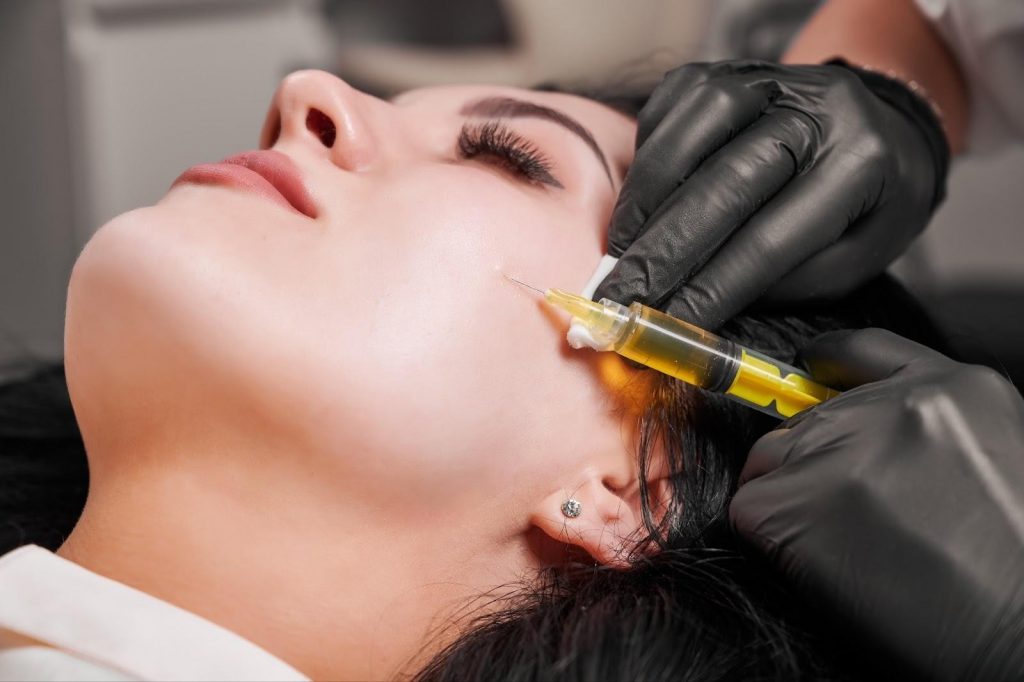
Platelet-Rich Plasma (PRP) therapy is an exciting new avenue for natural ways to rejuvenate your skin. The process of obtaining PRP requires only a small sample of your blood, which will be processed into a concentrated form containing platelets that are rich in growth factors. Once the PRP has been prepared, it is injected into specific areas of the face so that the growth factors in the PRP stimulate the production of collagen and improve the texture and tone of the skin.
The treatment is sometimes referred to as a “vampire facial” due to the fact that you are using your own body’s natural healing processes to rejuvenate your skin. In addition to treating fine lines, PRP therapy can also improve acne scars and restore the luster and glow to dull skin. The results from PRP therapy happen over time as new collagen forms, and most patients require multiple treatments to achieve the desired results.
Lifestyle: The Great Equalizer
Your skincare routine can be hindered by many factors. Dietary considerations should be central in your thoughts about healthy skin. Like every organ in the body, the skin is an organ that requires nutrition to remain healthy and work optimally. Nutritional support for the skin primarily comes from foods that provide a good balance of omega three fatty acids, vitamins, and antioxidants, which offer the foundation of healthy skin from the inside out.
Foods that have been deeply processed, that contain sugar in excess amounts, and that contain additives and preservatives that create an inflammatory response in the body often create negative effects on the skin, including oily skin, dull skin, and accelerated signs of aging. Exercise increases blood circulation to the skin’s cellular structure, delivering oxygen and nutrients to those cells and removing waste material from those cells.
The glow from exercising (although part of that glow is sweat), comes from the ability of your skin to receive what it requires, including oxygen, nutrients and other nutrients, necessary to be healthy and thrive. Stress management is important. Worrying about your body leads to decreased resources for your skin, decreased oxygenation of your skin, increased inflammation in your skin, and will lead to skin problems such as acne and eczema. What you do to relax, whether it be practicing yoga, taking a walk, reading, or engaging in creative pursuits, is critical for your skin’s overall health and well-being.
Conclusion: Your Skin, Your Story
Establishing healthy skin care habits involves more than simply creating the perfect regimen; it also means respecting your body’s overall condition and supporting its ongoing function through all of life’s various seasons. There are so many factors that can impact your skin condition, and using high-end products will not remedy an unhealthy lifestyle. If you want to have healthy skin throughout your life, begin at this moment to create a routine for your skin.
Whether you are just starting in your twenties or adjusting your routine as you age, start today, and make skin care decisions that will help your skin. Keep your routine simple, continue with it faithfully, protect your skin from sun exposure, feed it correctly, and allow it time to heal and rest. Skin has an amount of resiliency and will respond positively if provided with proper ongoing care and attention. The history your skin tells ten years from now will be based on how you treat it now.