
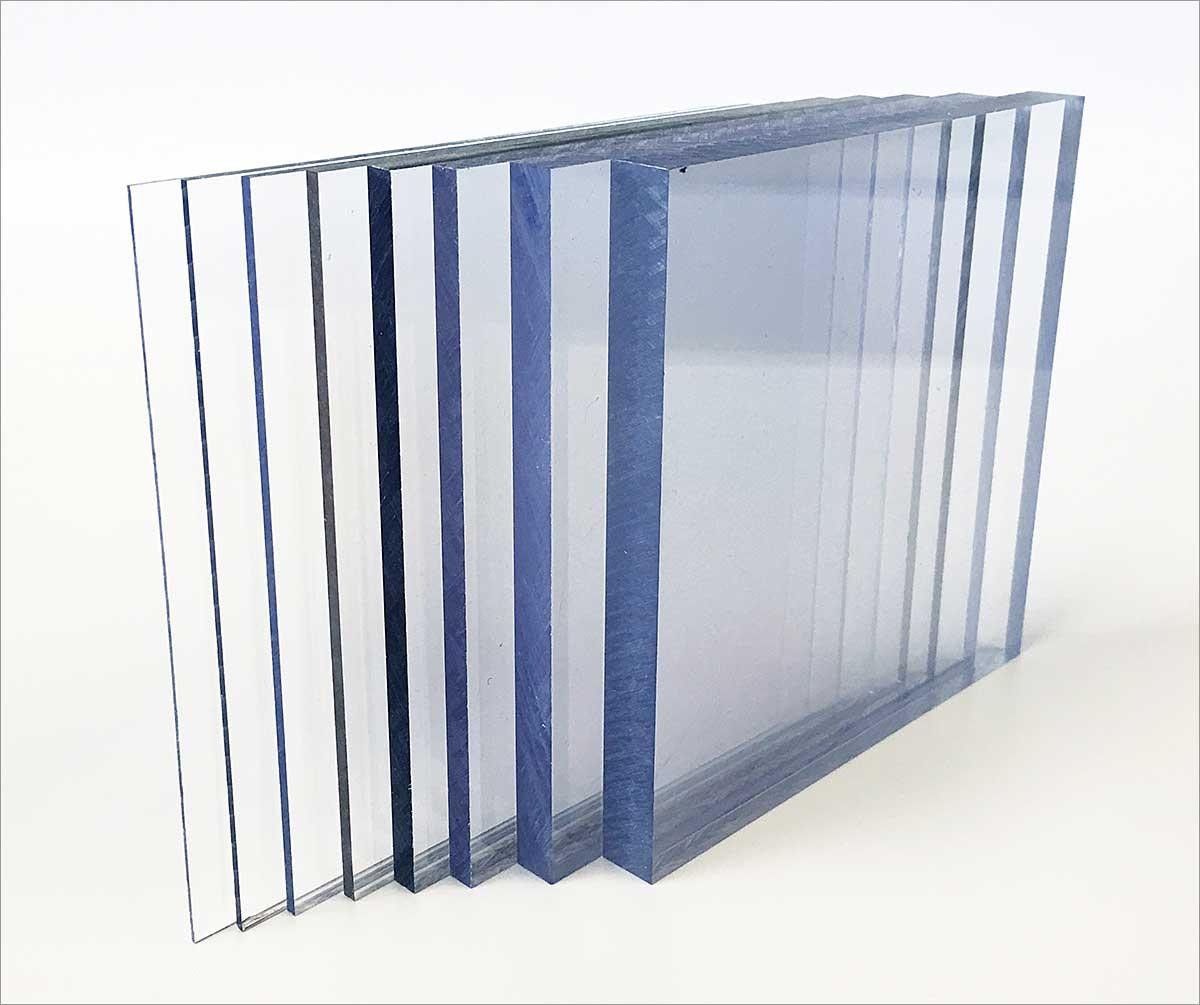
Why Clear Polycarbonate Sheets are a Versatile Choice for DIY Projects
Have you ever wondered what material could handle the unpredictable Australian weather while still looking brilliant in your backyard? Are you tired of worrying about glass shattering during a storm or cricket ball mishap? What if there was a single material that could work for your greenhouse, patio roof, and protective screens all at once?
Clear polycarbonate sheets have become the go-to choice for DIY enthusiasts across Australia, and it’s easy to see why. This remarkable material combines the clarity of glass with the toughness of industrial-grade plastic, making it perfect for countless home projects. Whether you’re a weekend warrior tackling your first build or a seasoned DIYer looking for reliable materials, polycarbonate delivers impressive results without breaking the bank.
In this guide, we’ll explore everything you need to know about working with clear polycarbonate sheets. You’ll discover why this material outperforms traditional alternatives, learn about popular applications around the home, and pick up practical tips for cutting and installing sheets yourself. Plus, we’ll cover common mistakes to avoid so your project turns out looking professional. Let’s get stuck into it!
What Are Clear Polycarbonate Sheets?
Understanding Polycarbonate: Material Properties and Benefits
Polycarbonate is a thermoplastic polymer that’s been around since the 1950s, though it’s only recently become popular with home DIYers. The material is created through a chemical process that produces sheets with extraordinary strength-to-weight ratios. In fact, polycarbonate is roughly 200 times stronger than glass while weighing about half as much.
What makes this material particularly appealing is its optical clarity. High-quality clear polycarbonate sheets allow up to 90% light transmission, meaning your greenhouse plants or covered patio will still receive plenty of natural sunlight. The sheets also offer excellent thermal insulation, especially multi-wall varieties that trap air between layers.
Clear Polycarbonate vs Other Transparent Materials
When comparing clear polycarbonate to glass or acrylic, several differences stand out. Glass, while beautiful, is heavy, fragile, and expensive to replace. Acrylic sheets are lighter but scratch easily and can crack under impact. Polycarbonate sits in the sweet spot; it’s virtually unbreakable, lightweight, and more scratch-resistant than acrylic.
Another key difference is flexibility. Polycarbonate sheets can be cold-bent to fit curved structures without heating or special equipment. Try doing that with a pane of glass! This flexibility opens up creative possibilities for DIY projects that simply aren’t feasible with rigid materials.
Why Choose Clear Polycarbonate Sheets for Your DIY Projects?
Exceptional Durability and Impact Resistance
Let’s be honest Australian conditions can be brutal on outdoor structures. Hailstorms, falling branches, and the occasional wayward football can wreak havoc on traditional roofing materials. Clear polycarbonate sheets handle all of this with ease. The material absorbs impact energy rather than shattering, which is why it’s used in riot shields and bulletproof windows.
For homeowners, this translates to peace of mind. Your pergola roof won’t crack during the next storm, and your greenhouse panels will survive whatever your kids (or the weather) throw at them.
Lightweight Yet Strong: Easy Handling for DIYers
One of the biggest advantages for DIY enthusiasts is how easy polycarbonate is to handle. A standard sheet weighs a fraction of an equivalent glass panel, meaning you can carry and position it without needing extra hands or specialised equipment. This makes solo installation entirely possible for most projects.
The reduced weight also places less stress on supporting structures. You can build lighter frameworks, saving money on timber or aluminium while still creating something rock-solid.
UV Protection and Weather Resistance
Quality polycarbonate sheets come with built-in UV protection that blocks harmful rays while still allowing visible light through. This coating prevents the material from yellowing over time and protects both you and your belongings from sun damage. Just make sure you install the sheet with the UV-protected side facing outward. Most manufacturers mark this clearly.
Weather resistance is another strong point. Polycarbonate handles temperatures from -40°C to 120°C without warping or becoming brittle. Rain, humidity, and salt air won’t cause deterioration, making it ideal for coastal properties.
Cost-Effectiveness Compared to Glass Alternatives
When you factor in material costs, installation ease, and longevity, polycarbonate often works out cheaper than glass. You’ll save on labour since you can do the work yourself, and replacement costs are minimal because the material rarely needs replacing. Over a 20-year period, polycarbonate typically costs significantly less than maintaining glass structures.
Popular DIY Applications for Clear Polycarbonate Sheets
Greenhouse and Garden Projects
Building a greenhouse is one of the most popular uses for clear polycarbonate. The material’s excellent light transmission promotes healthy plant growth, while its insulating properties help maintain stable temperatures. Multi-wall sheets are particularly effective here, creating air pockets that retain warmth during cool nights.
Pergola and Patio Roofing
Transform your outdoor living space with a polycarbonate roof that provides shelter without blocking natural light. You can enjoy your patio during light rain while still feeling connected to the outdoors. Many homeowners choose tinted options to reduce glare during summer.
Protective Barriers and Safety Screens
From workshop splash guards to pool fencing panels, polycarbonate makes excellent safety barriers. The impact resistance means it won’t shatter if struck, and the clarity maintains sightlines for supervision.
Window Replacements and Skylights
Shed windows, garage skylights, and outdoor structure glazing are perfect candidates for polycarbonate. The material insulates better than single-pane glass and won’t break if something falls on it.
Carport and Awning Construction
Protect your vehicle from sun and hail with a polycarbonate carport roof. The sheets span longer distances than glass without requiring additional support beams, simplifying construction considerably.
How Do You Cut and Install Clear Polycarbonate Sheets at Home?
Essential Tools for Working with Polycarbonate
You don’t need fancy equipment to work with polycarbonate. A circular saw with a fine-tooth blade works brilliantly, though a jigsaw handles curves better. You’ll also need a drill with standard bits, measuring tape, and appropriate fixings. Wearing safety glasses is essential when cutting.
Step-by-Step Cutting Guide for Beginners
Start by marking your cutting line with a non-permanent marker. Support the sheet fully to prevent vibration during cutting. Use a straightedge guide for clean, accurate cuts. Cut slowly and steadily; rushing causes rough edges. After cutting, clean away any plastic debris before installation.
Installation Tips for a Professional Finish
Always pre-drill holes slightly larger than your fixings to allow for thermal expansion. Use washers under screw heads to distribute pressure evenly. Leave a small gap around edges when fitting into frames, as polycarbonate expands and contracts with temperature changes.
Is Polycarbonate Sheeting Better Than Glass for DIY Projects?
For most home DIY applications, polycarbonate outperforms glass on practical measures. It’s safer, easier to install, more durable, and often more affordable. Glass wins on scratch resistance and pure optical clarity, but these advantages rarely matter for sheds, greenhouses, or patio roofs. Unless you’re installing windows in your living room, polycarbonate is typically the smarter choice.
How Long Do Clear Polycarbonate Sheets Last Outdoors?
Quality polycarbonate sheets with proper UV protection last between 15 and 25 years outdoors. Cheaper products without adequate UV coating may yellow and become brittle within five years. Investing in reputable brands pays off through extended lifespan and maintained clarity.
Can You Drill Through Polycarbonate Without Cracking It?
Absolutely! The key is using sharp drill bits and avoiding excessive pressure. Standard metal or wood bits work fine. Drill at moderate speed and let the bit do the work rather than forcing it. Pre-drilling prevents stress cracks around fixings and always drill holes before inserting screws.
Where to Buy Quality Clear Polycarbonate Sheets in Australia
What to Look for When Purchasing Polycarbonate Sheets
Check for UV protection guarantees and manufacturer warranties. Reputable suppliers provide technical specifications, including light transmission percentages and impact ratings. Avoid suspiciously cheap options; they often lack proper UV coatings.
Choosing the Right Thickness for Your Project
For roofing applications, 10mm multi-wall sheets offer good strength and insulation. Flat applications like safety screens work well with 3-6mm solid sheets. Heavier-duty uses may require thicker options your supplier can advise based on span distances and expected loads.
Common Mistakes to Avoid When Working with Polycarbonate Sheets
The biggest error is installing sheets without allowing for thermal movement. Polycarbonate expands significantly in heat, so tight fits cause buckling or cracking. Also, to avoid using incorrect sealants some silicones attack polycarbonate chemically. Finally, don’t peel off protective films until installation is complete to prevent scratching.
Transform Your DIY Projects with Clear Polycarbonate
Clear polycarbonate sheets genuinely deserve their reputation as the ultimate DIY material. They combine remarkable durability with practical workability, making ambitious projects achievable for everyday homeowners. From greenhouses to carports, this material handles whatever Australian conditions throw at it.
The benefits we’ve explored impact resistance, UV protection, light weight, and cost-effectiveness add up to compelling reasons for choosing polycarbonate over traditional materials. When you factor in how easy it is to cut and install yourself, the value becomes even clearer.
So why not give polycarbonate a go on your next project? Whether you’re planning something small like a garden cold frame or tackling a full patio roof, you’ll find this material surprisingly enjoyable to work with. Your finished project will look professional, last for years, and handle whatever life throws at it. Happy building!


