
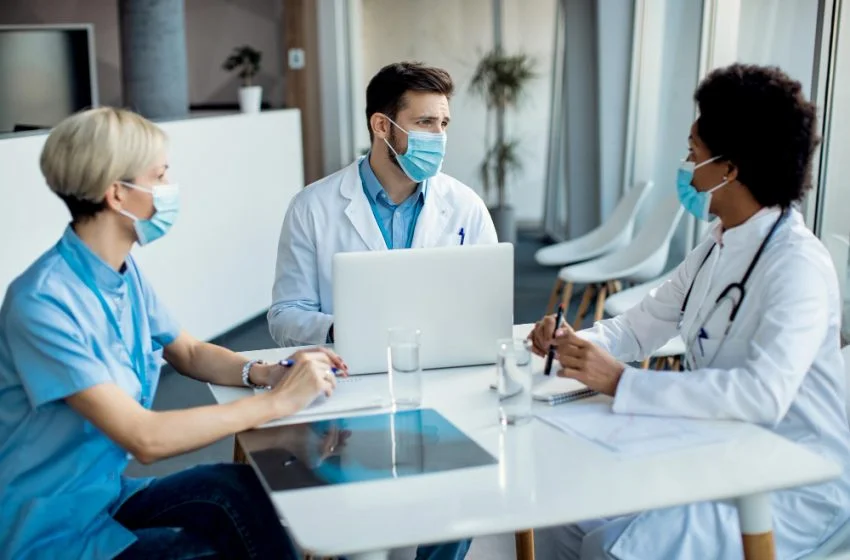
Understanding Preventive Healthcare: Simple Steps for a Healthier Future
Preventive healthcare is all about taking preventive actions to achieve good health status, reduce exposure to avoidable risk factors, and detect any health problems early. Rather than waiting for symptoms to appear, prevention means making the right combination of healthy living choices along with the correct medical checks, vaccinations, screening, and other professional assistance. It is very important, as many people are suffering from chronic diseases like heart conditions, diabetes, and cancers throughout the world. However, technology is providing new ways of early intervention, hence increasing the importance of AI in the healthcare market.
Foundations of Preventive Healthcare
Preventive healthcare starts with daily activities which affect one’s health long before any kind of medical care is needed. All these foundations are linked to each other: eating the right food provides energy and proper metabolic functioning, exercise helps to preserve one’s physical abilities, enough sleep facilitates recovery, and proper coping strategies keep one emotionally healthy. By not smoking and reducing alcohol intake, one avoids any undue dangers to their health. These practices would help maintain one’s weight, heart, brain, and total well-being.
- Diet and Nutrition: The balanced diet helps one obtain all the necessary energy and nutrition that are essential for development, immunity, growth, and physical activities. The principles of nutritional prevention need to pay more attention to variety, balance, adequacy, and moderation rather than being too strict about it. One can include any food in the diet as long as they don’t eat food which is highly processed, rich in sugar, saturated fats and salt. WHO suggests that one should modify their healthy eating habits based on nutritional requirements, cultural differences, availability of foods, and physical activities. Prevention is about selecting minimally processed foods more often, observing the correct portion sizes, and eating habit consistency as opposed to dietary modifications in the short run.
- Routine Physical Activity: Routine physical activity is yet another important factor since it helps in sustaining heart fitness, muscular strength, flexibility, and optimal body composition. Physical activity is not necessarily synonymous with intensive exercise similarly, walking, bicycling, swimming, playing games, doing housework, and other forms of active commuting may contribute to physical activity. As per the recommendation by the CDC, an individual is supposed to engage in 150 minutes of moderate exercise each week and at least two instances of muscle strengthening activities on separate days of the week.
- Sleep, Stress Management, and Psychological Health: Health care prevention is related to enough sleep and stress management as well. In order for the body to be able to recover and provide immune function, cognitive functions, emotional control and metabolism, it is necessary to get enough sleep. In general, adults require about seven hours of sleep each day, although the requirements vary depending on age and circumstances. Sleeplessness raises the probability of contracting various illnesses, such as diabetes, heart problems, obesity and depression. Managing one’s stress enables one to deal with stress in an everyday life environment without having to adopt any harmful approaches to coping. It is good for one’s mental health to spend time with friends and indulge oneself in activities which one likes.
- Restriction of Tobacco and Alcohol Intake: Minimizing exposure to tobacco and alcohol is one of the most important preventive approaches since both of them lead to various diseases. Ingestion of tobacco impacts many organs of the body since it results in the emergence of heart disorders, lung diseases, cancer, infertility, and early deaths. As the WHO states, any form of tobacco ingestion is hazardous, and there is no safe amount of smoke from tobacco. Hence, prevention includes the restriction of smoking and other types of tobacco consumption, reduction of the effects of passive smoking, and provision of professional help in the case of need. As for alcohol, there is a different risk-related approach to its consumption, as WHO claims that the intake of alcohol causes many diseases and injuries.
Essential Preventive Healthcare Practices
The concept of preventive healthcare does not only focus on the decisions of day-to-day lifestyle but also involves deliberate engagement with the healthcare system. Periodic examinations, screening, immunisations, oral care, and knowledge about family health records are some ways through which an individual can detect risk factors before they turn into serious conditions. Screening tests, immunisations, dental treatments, and health education can be among the services offered in routine preventive visits. In addition, a systematic approach towards working with primary care providers will ensure that patients get to know what preventive strategies apply to them.
- Health Check-Ups and Screening Tests: Routine health check-ups allow for the evaluation of health conditions regardless of whether the person experiences any problems. In accordance with the particular case, there may be tests performed for the evaluation of blood pressure, weight, cholesterol, blood sugar, and other markers of health risks. Screening tests are not the same as diagnostic tests since the former are aimed at the early detection of some diseases that are yet to present with particular signs. There is a need for adults to get regular health check-ups from time to time, whereby one-year intervals may be seen as an ideal time to get health status reviewed to see whether they have risk factors that require attention. The types of screening tests will depend on the age of the person, gender, family history, presence of risk factors, and other factors. Cancer screening can be helpful in detecting certain types of cancer at earlier stages and, thus, in providing efficient treatment.
- Vaccines and Infection Prevention: Vaccination is one of the main preventive measures, as this measure ensures that the body is prepared for the fight against the specified infection. Vaccinations are given to ensure that individuals are protected from diseases at different stages of their lives based on different considerations such as age, existing health conditions, vaccination history, work environment, travel, and risk of exposure to the diseases. Immunisation prevents millions of deaths each year as a result of diseases that can be prevented through vaccination, which forms a core component of basic healthcare services. Some of the other steps taken to prevent infections are good personal hygiene measures such as hand washing, proper respiratory etiquette, and healthy eating and drinking practices, among others.
- Dental and Oral Health: Oral hygiene can also be taken as a preventive medicine due to most of the problems that affect the teeth, gums and mouth tend to emerge gradually and result in pain. The oral examination helps in the detection of tooth decay, gingivitis, oral infection and other abnormalities. Additionally, cleaning of the teeth removes all the plaque and deposits which cannot be eliminated from the teeth by simply brushing. Personal oral hygiene involves brushing teeth at least twice daily using fluoride toothpaste, flossing between teeth, proper diet and stopping smoking. Sometimes there may be specific groups of people like children, elderly people and patients with certain illnesses whose oral hygiene should be taken into account. Therefore, the inclusion of oral examinations in healthcare programs will prevent any problem from becoming serious.
- Knowing Family Health History: Knowledge about family health history might shed light on possible links that could affect one’s susceptibility to various diseases. The information regarding the conditions that one’s parents, siblings, grandparents, aunts, and uncles have experienced can be useful for physicians in terms of establishing hereditary or environmental factors. The information concerning family history can be valuable for diseases such as cancer, heart conditions, diabetes, and osteoporosis. This kind of information can be collected by identifying the type of disease, relatives with that disease, and the age when they were diagnosed. It will also be useful to know about any genetic and environmental considerations, including nutrition and environment. While there is nothing that can be done about family background, it can be an incentive towards prevention.
Incorporating Preventive Healthcare into Daily Routine
To incorporate preventive healthcare into daily routine, people need to take an active role in making health-related decisions, instead of being completely dependent on medical help in case of health issues. Health literacy means the ability of a person to search for, understand, assess, and apply accurate health information that becomes crucial due to the growing role of the Internet as one of the sources of health recommendations. People also have access to accurate digital tools, health data, and self-assessment and monitoring systems that can help in making well-informed decisions about their health, but only as long as these resources are used in combination with professional health care. According to WHO, self-care should be embedded in the health care system, and good primary health care ensures continuity and referral to specialists when necessary.
Creating a Healthier Future Through Prevention
Prevention of disease is basically the transformation of attention from curing diseases to ensuring good health throughout life. The success of preventive health care requires a combination of individual awareness, availability of primary healthcare services, adequate information and proper professional advice. WHO sees primary healthcare as the basis for health promotion and prevention of diseases, while the use of technology and artificial intelligence is increasingly gaining ground in enhancing early diagnosis, monitoring and decision-making in the healthcare system. All this paves the way for the AI in healthcare market, considering the proactive and evidence-based approach that the healthcare systems are adopting. According to Pristine Market Insights, preventive healthcare is one of the significant sectors that can help people understand the dynamics of healthcare prevention through innovative developments and the future of health management.
Author Bio:
Teja Kurane is a research analyst at Pristine Market Insights, specializing in healthcare and pharmaceutical industry research. With a strong focus on emerging healthcare trends, preventive care, and evolving health practices, Teja develops insightful, data-driven content that helps readers better understand industry developments and make informed decisions about health and wellness.


